
How to Choose Wall Art That Suits a Room Without Overspending
Choosing the right wall art for a room can transform a space from bare to inviting, but it’s easy to overspend when you’re faced with endless options. The good news is that you don’t need a large budget to create visual impact. By understanding how to match scale to your walls, trusting your personal taste over trends, and exploring budget-friendly sources, you can curate a collection that feels intentional and authentic. This guide walks you through the practical steps to select art that enhances your room without straining your finances, from measuring your space to finding affordable pieces that genuinely resonate with you.
Understanding Scale and Placement
The first step in choosing wall art is getting the proportions right. A common guideline is for artwork to fill about two-thirds of the wall width it will occupy. This creates visual balance without overwhelming the space or leaving the piece looking lost. If you’re hanging art above furniture like a sofa or bed, aim for the piece to span roughly two-thirds to three-quarters of the furniture’s width.
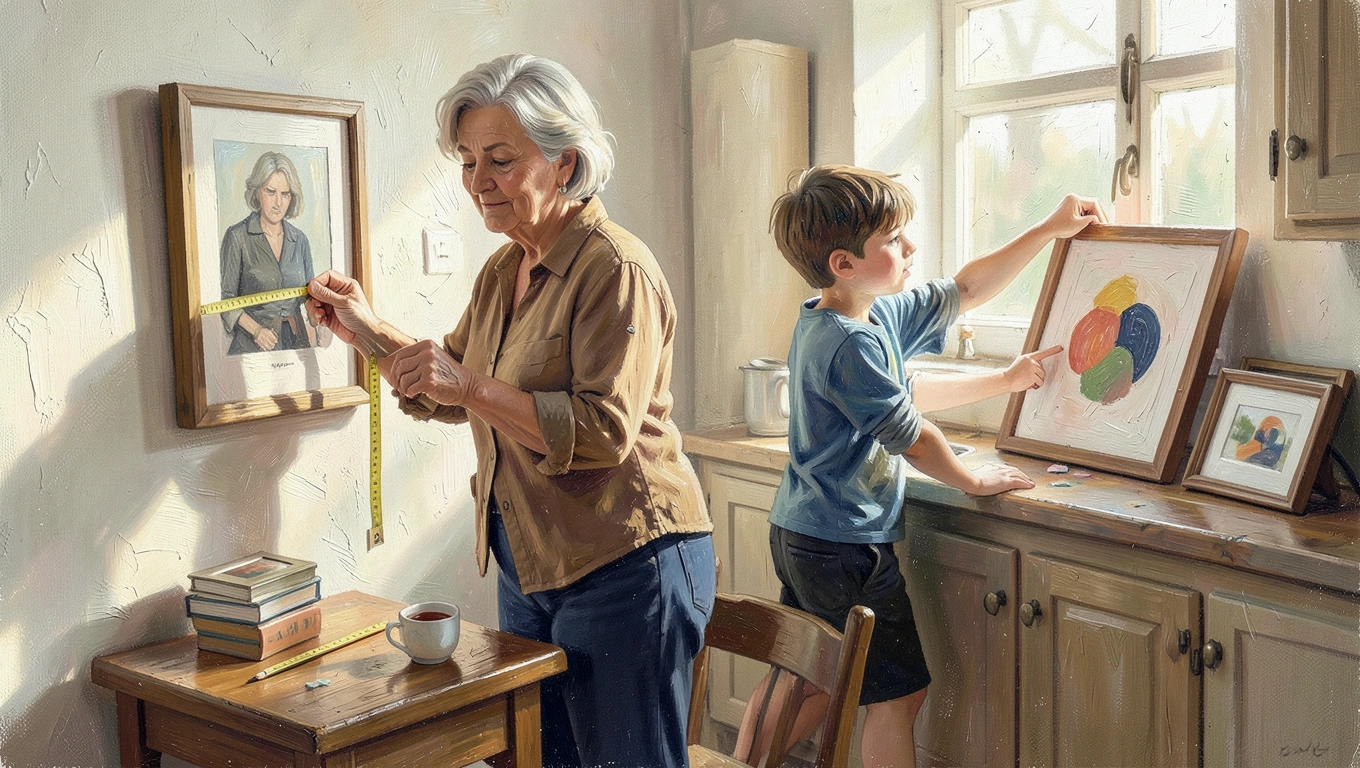
Before you buy anything, measure your wall space carefully. If you’re uncertain about how a particular size will look, cut out paper templates in the dimensions you’re considering and tape them to the wall. This simple step lets you visualize the scale in your actual room, not just in your head. When in doubt, go larger rather than smaller. A piece that’s too small often disappears into the wall, while a generously sized piece can anchor a room and make a confident statement.
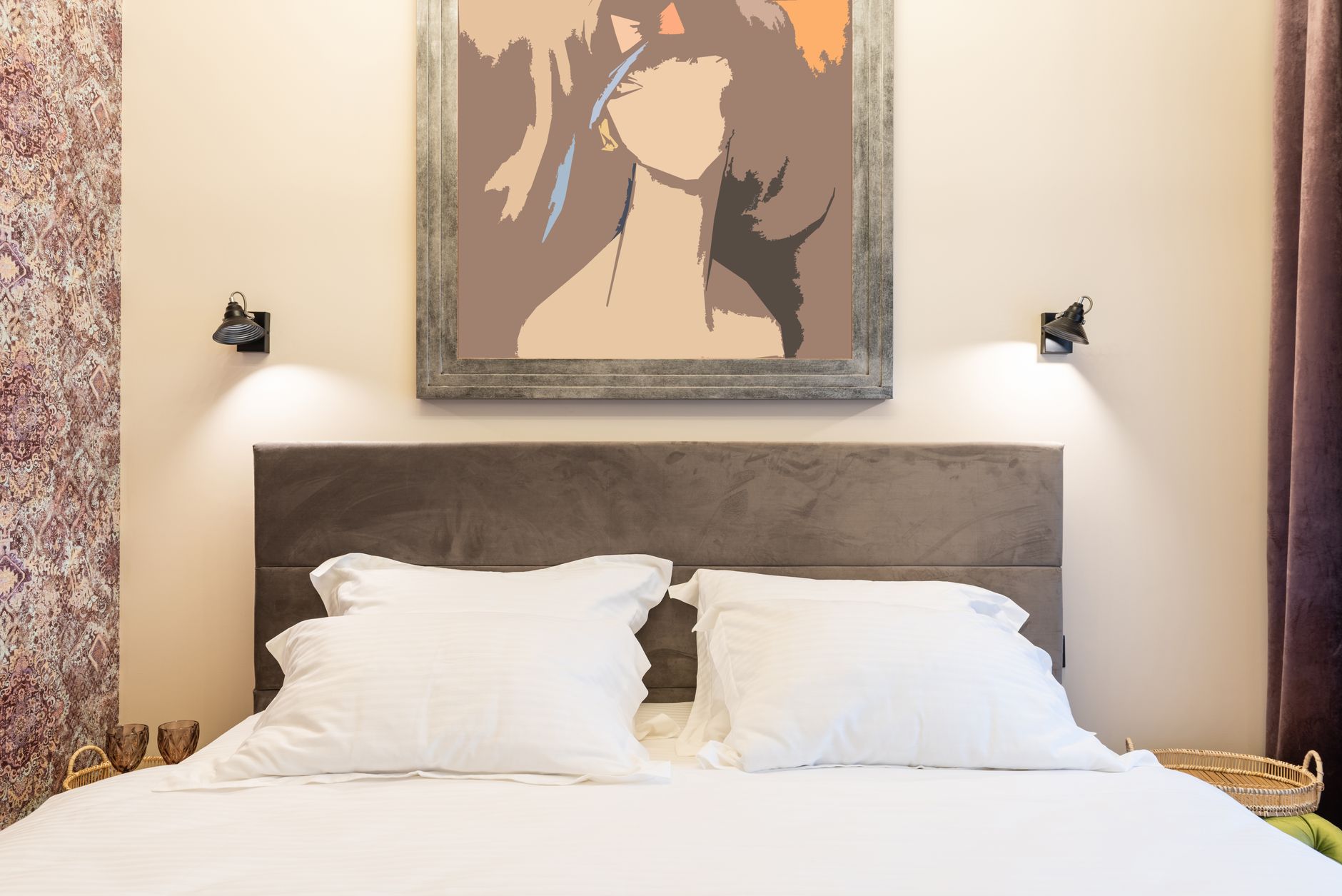
Placement height matters too. The center of your artwork should generally sit at eye level, which is typically around 57 to 60 inches from the floor. For pieces above furniture, leave about 6 to 12 inches of space between the top of the furniture and the bottom of the frame. This keeps the art visually connected to the furniture without crowding it.
Choosing Art That Resonates With You
Prioritize pieces that genuinely speak to you rather than chasing what’s currently trending. Art should evoke feelings and memories, making your space feel personal and lived-in. A room decorated entirely in one style or color palette can end up feeling more like a hotel lobby than a home. Mixing different art styles, mediums, and even frame colors creates a more dynamic and authentic look.
Think about what draws you in when you look at art. It might be a specific color that complements your room, a subject that reminds you of a place you’ve visited, or an abstract pattern that simply makes you feel calm. These emotional connections matter more than whether a piece fits a particular design trend. Your home should reflect your story, not a magazine spread.
Don’t feel pressured to fill every wall immediately. Building a collection gradually gives you time to discover what you actually like, and it spreads the cost over months or years. Start with one statement piece in a room, then add smaller, more affordable prints around it. This approach creates a cohesive look while keeping your spending manageable.
Exploring Budget-Friendly Sources and DIY Options
You don’t need to visit expensive galleries to find compelling wall art. Platforms like Etsy offer unique, downloadable prints that you can print yourself, often costing around $5 or less per download. You handle the printing at a local shop or online service, which gives you control over paper quality and size without the markup of pre-made prints.
Retailers like IKEA carry minimalist prints and affordable frames that work well in modern spaces. Target has collections that many buyers say look more expensive than their price tags suggest. Both stores rotate their offerings regularly, so checking back periodically can turn up new options that fit your style.
Thrift stores and antique shops are worth exploring for unique frames or even complete art pieces. You might find a beautiful vintage frame for a few dollars that you can pair with a print you already own. Sometimes you’ll discover original paintings or interesting photographs that have character you won’t find in mass-produced prints. DIY projects expand your options further. Framing fabric with a bold pattern, creating your own abstract paintings on inexpensive canvas, or even framing pages from old books or vintage postcards can produce one-of-a-kind pieces.
Photography from your own travels or family moments can be remarkably effective when printed at a quality that suits the size you’re framing. Many online printing services offer professional-quality prints at reasonable prices, and the personal connection makes these pieces more meaningful than anything you could buy.
Making Smart Purchasing Decisions
Set a realistic budget before you start shopping. Decide how much you’re willing to spend on each room or each wall, and stick to that number. It’s easy to justify small overspending on individual pieces, but those increments add up quickly when you’re decorating multiple rooms.
Consider the total cost, not just the art itself. Framing can sometimes cost as much as or more than the print, especially for larger pieces or custom frames. If you’re working with a tight budget, look for ready-made frames in standard sizes and choose or trim your art to fit them. Many affordable prints are sold in standard dimensions precisely for this reason.
Wait for sales if you’ve found something you like but the price feels high. Many online retailers and home decor stores run regular promotions, and signing up for email lists often gets you a discount on your first purchase. Patience can save you a significant amount, particularly on higher-priced statement pieces.
Don’t overlook local art fairs and student exhibitions. Emerging artists often sell original work at accessible prices, and you’re supporting someone’s creative career. Community college and university art shows can be particularly good sources for affordable original pieces that have more character than mass-produced prints.
Q&A
What size wall art should I choose for my living room?
Artwork should fill about two-thirds of the wall width it occupies. For art above a sofa, aim for two-thirds to three-quarters of the sofa’s width.
How can I find affordable wall art online?
Etsy offers downloadable prints for around $5 that you print yourself. IKEA and Target also carry budget-friendly prints and frames.
Is it okay to mix different art styles in one room?
Yes, mixing styles, mediums, and frame colors creates a more personal and dynamic look than sticking to one uniform style throughout.
Should I buy all my wall art at once?
No, building a collection gradually lets you discover your taste and spreads costs over time. Start with one statement piece and add around it.
What are some DIY wall art ideas on a budget?
Frame fabric, create abstract paintings on canvas, frame book pages or postcards, or print and frame your own photography for personal, affordable art.
Conclusion
Decorating your walls doesn’t require a designer budget or a degree in art history. It requires attention to scale, a willingness to trust your own taste, and some resourcefulness in finding pieces that speak to you without breaking the bank. The most successful rooms are those where the art feels intentional and personal, not expensive for the sake of it. Whether you’re printing downloads from Etsy, hunting through thrift stores for vintage frames, or creating your own pieces, the goal is the same – to surround yourself with images that make your space feel like home. Take your time, measure carefully, and remember that a few well-chosen pieces will always look better than a wall full of art you bought just to fill space. Your walls are a reflection of your story, and that story is worth telling thoughtfully.
